Essential Fishing Gear for the Beginner Angler in India

Freshwater or saltwater – how to get started right!

Fishing is an exciting and peaceful activity enjoyed all over India—from the tranquil rivers of Assam to the lively beaches of Goa. For beginners, choosing the right fishing gear can feel overwhelming, but with a few key items, you'll be ready to target both freshwater species like rohu and tilapia, and popular saltwater fish like red snapper, barramundi, and giant trevally (GT). Let’s dive into the essential gear you’ll need to get started on your fishing journey.

Get Your Beginners Kit

Recently viewed

1. The Right Rod and Reel Combo

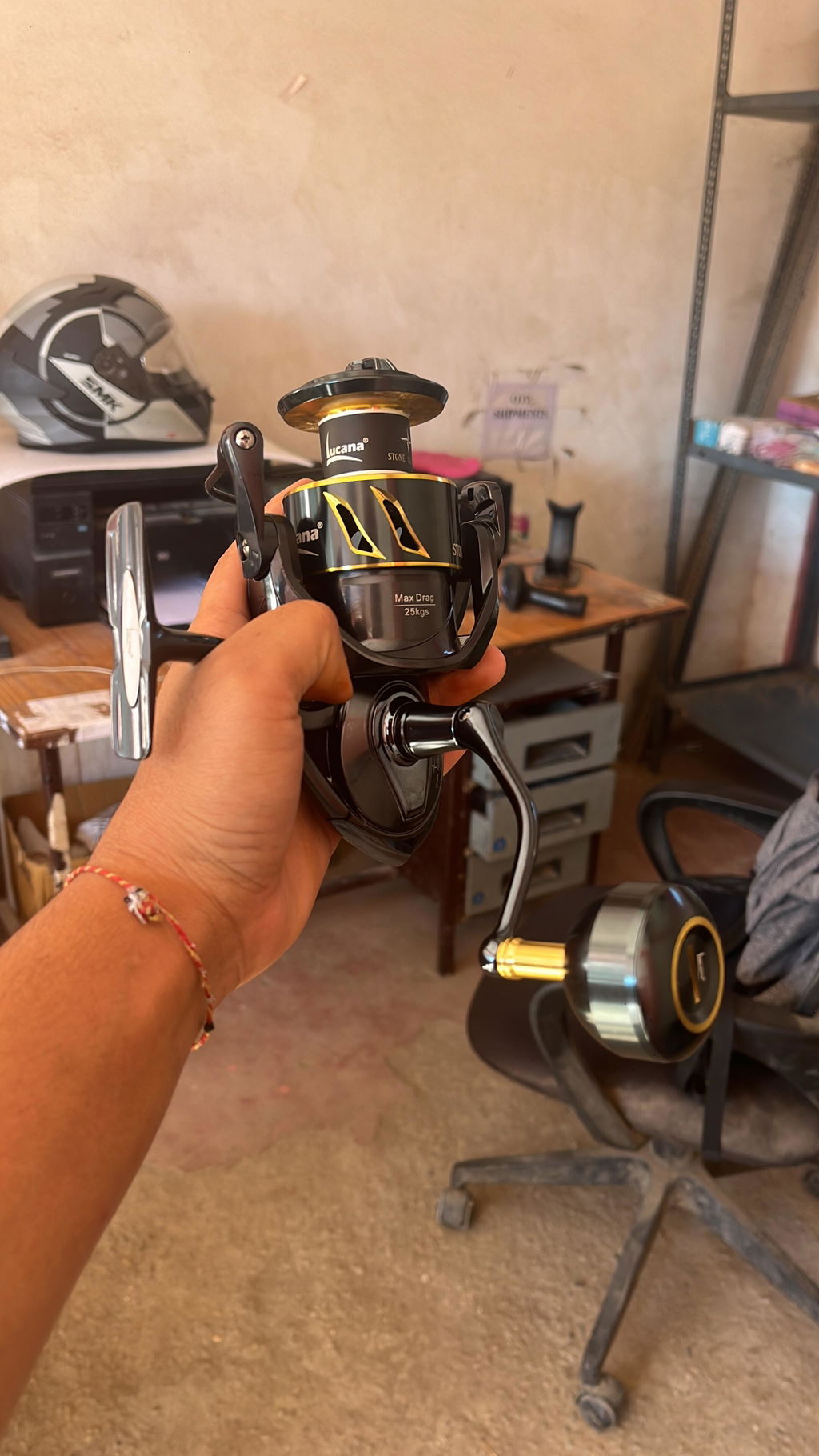
A spinning rod and reel combo is the most beginner-friendly setup. For Freshwater Fishing in rivers, lakes, and ponds, a medium-action rod around 6 to 7 feet in length, paired with a spinning reel (2000–4000 size), works perfectly for fish like rohu, catla, and tilapia. This combo provides great versatility for a variety of freshwater species.

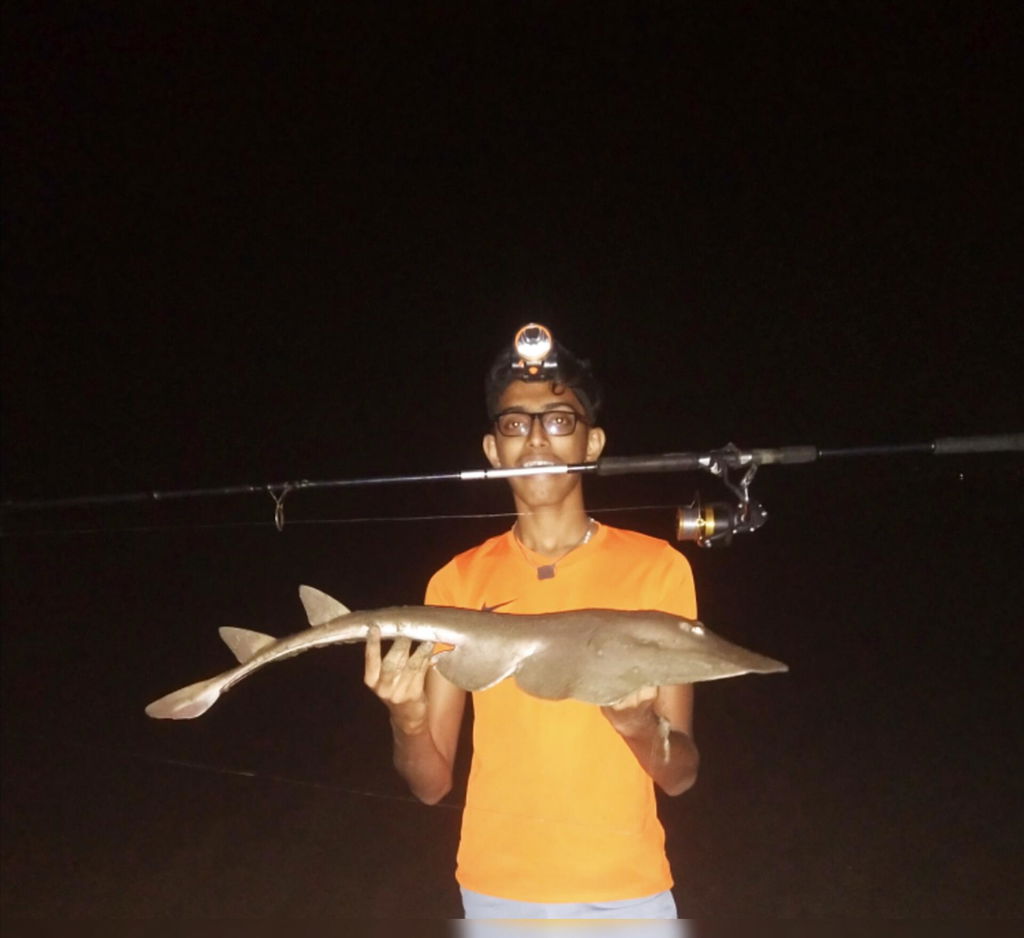
For Saltwater Fishing in coastal regions like Goa, Kerala, or Tamil Nadu, where fish like barramundi, red snapper, and giant trevally lurk, you’ll need a heavier setup. A 7 to 10-foot surfcasting rod with a 4000–8000 size reel is ideal for casting longer distances and handling stronger fish.

2. Fishing Line and Leaders

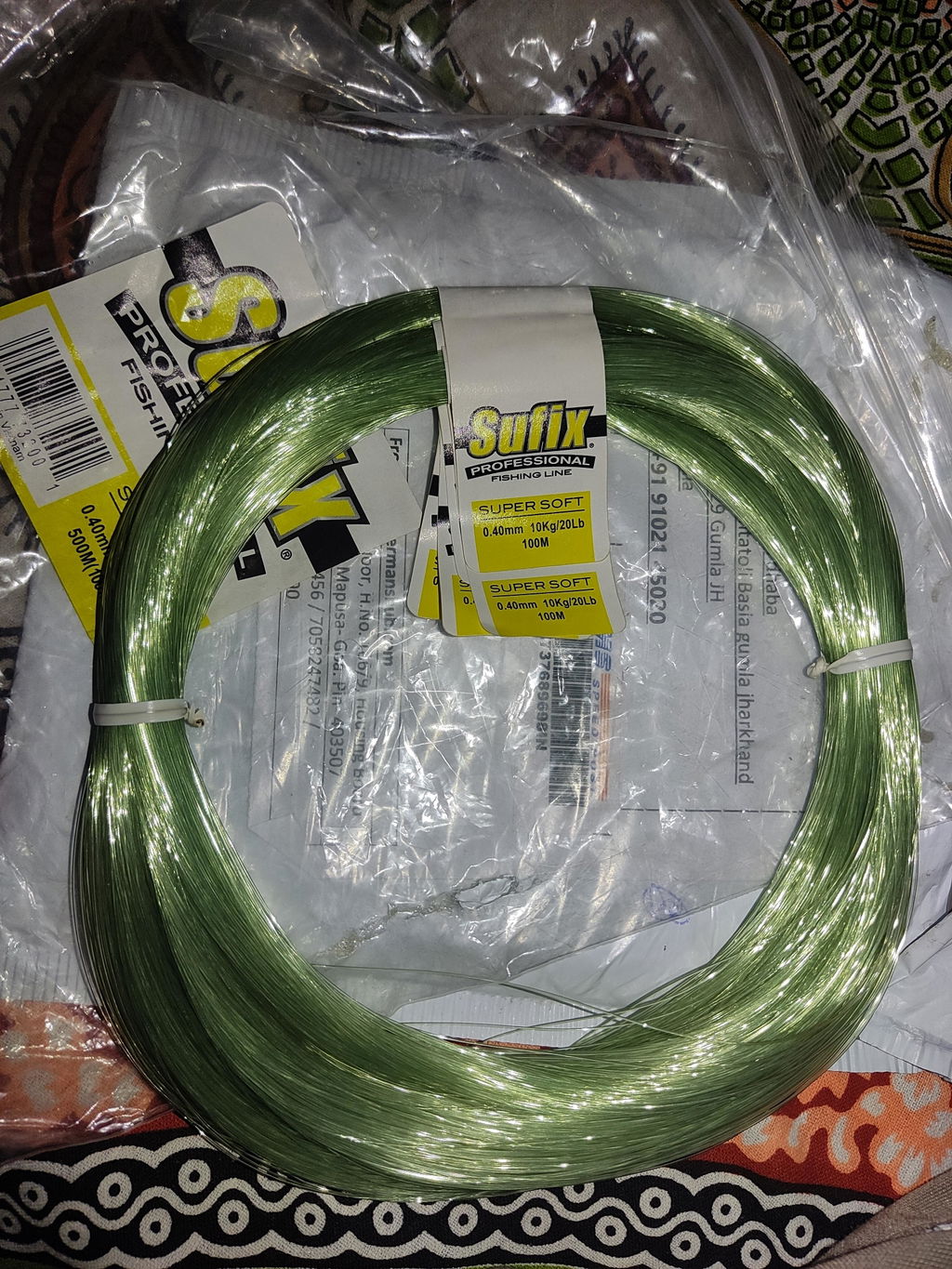
For Beginner Anglers, a monofilament line is the easiest to handle. It’s simple to knot and manage, making it perfect for starting out. Use a 10–15 lb line for freshwater fishing, ideal for species like tilapia and rohu.

When fishing in saltwater or targeting bigger fish like barramundi or GT, opt for a braided line (20–30 lb). Braided lines are stronger, thinner, and offer better sensitivity. Add a fluorocarbon leader to your line for stealth—this material is virtually invisible underwater, which is crucial when targeting fish like red snapper that have keen vision.

Learn More

 How to Start Fishing With a Rod and Reel

3. Basic Tackle: Hooks, Sinkers, and Floats

No fishing trip is complete without a solid tackle box. Here’s what you’ll need:

· Hooks: Start with smaller hooks (sizes 6–10) for freshwater species and larger hooks (sizes 1/0–4/0) for saltwater fish like snapper and barramundi.

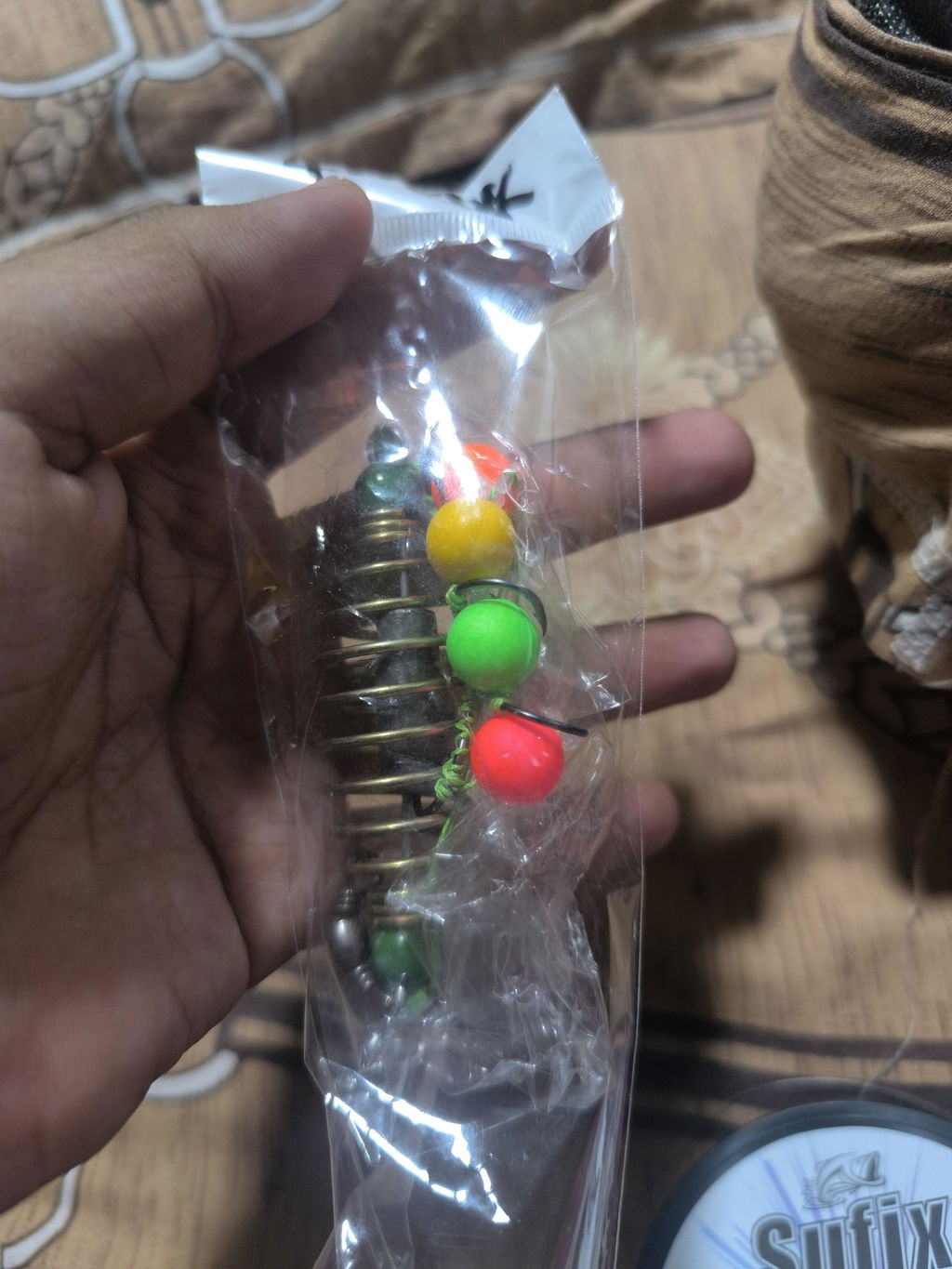
· Sinkers: Use split shot sinkers for calm lakes and small ponds. For Sea Fishing, carry heavier sinkers (25g–60g) to combat the strong current and waves.

· Floats or Bobbers: Great for beginners, these help you detect bites and keep your bait at the correct depth, making it easier to catch species like murrel, mullets, etc.

4. Bait and Lures

Choosing the right bait can significantly impact your success. For Freshwater Fishing, natural baits like earthworms, flour dough or bread are effective. Catla and murrel are especially attracted to fresh or smelly bait.

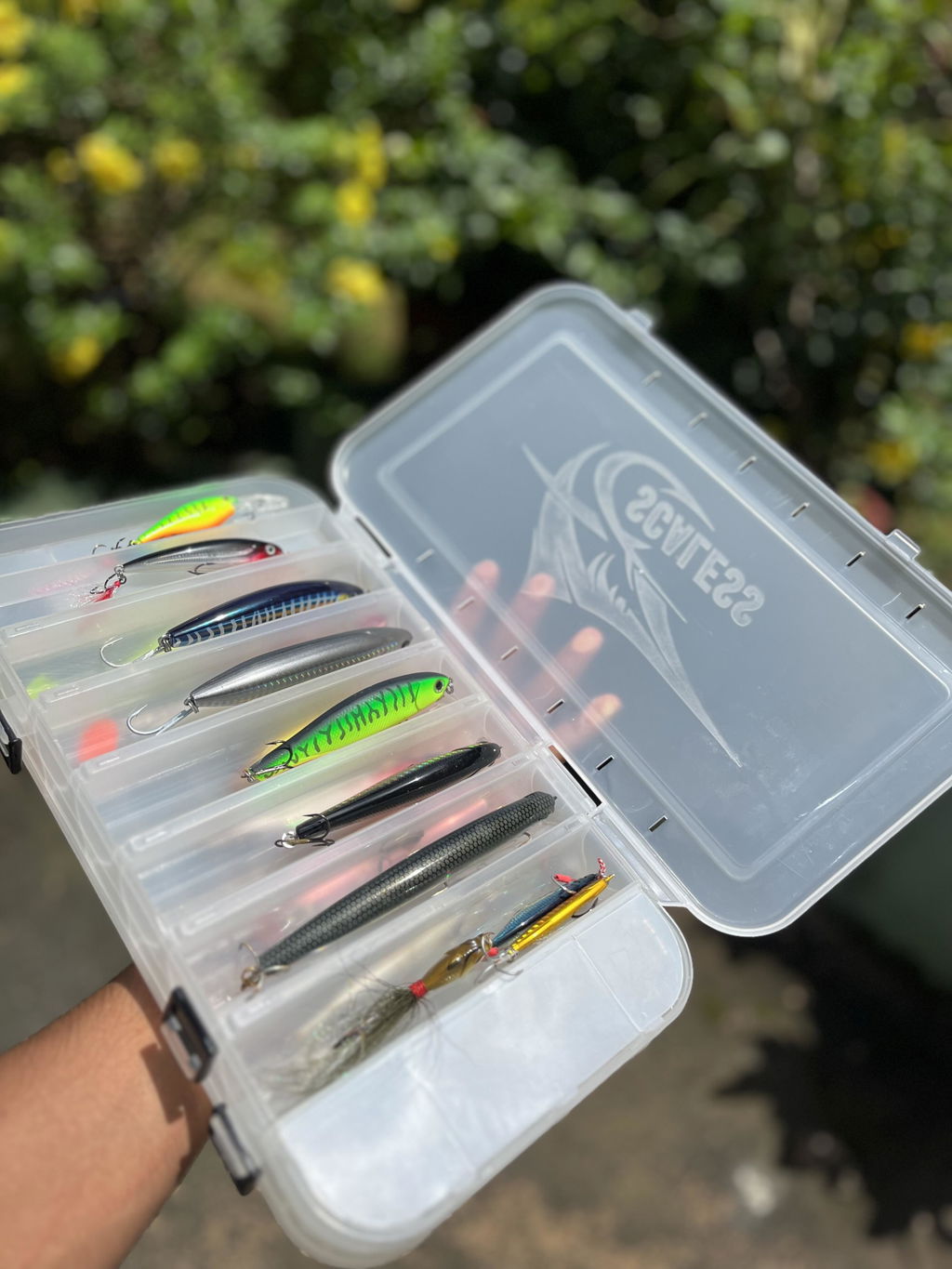
For Saltwater Fishing, fish like red snapper, grouper loves prawns/ Live prawns, sardines, small baitfish, squid, crabs, etc. If you’re using lures, go for medium depth hard lures, soft lures, or crankbaits for barramundi, while poppers and jigs are excellent choices for giant trevally (GT), barracuda, etc.

5. Tools and Accessories

Some essential tools will make your fishing experience smoother and safer:

· Fishing pliers: Great for removing hooks and cutting lines.

· Tackle box: Organize your hooks, lures, and sinkers.

· Bucket or cooler box: If you plan to keep your catch, ensure it stays fresh.

· Scissors or knife: For cutting lines or preparing bait.

· First-aid kit: Be prepared for any small injuries, especially when handling sharp hooks or fish with spines.

Find Your Gear

6. Dress Right for Comfort and Safety

Fishing means spending time outdoors, sometimes in harsh sun and humidity. Dress in light cotton clothing to stay cool and always wear a wide-brimmed hat and polarized sunglasses to reduce glare from the water. Don’t forget to apply sunscreen and drink plenty of water to stay hydrated.

If you’re fishing from rocks or jetties, wear non-slip footwear to avoid accidents, especially in coastal areas. Safety should always be a priority.

Outdoor Apparel

7. Know the Rules and Respect Nature

Before heading out, check if there are any local fishing regulations or licenses required for the area. While freshwater and beach fishing in India don’t typically need a license, respecting local rules is important. Make sure to clean up after yourself and practice catch and release if you’re not keeping your fish, especially with species that are under threat or not yet fully grown.

Final Thoughts

As a beginner angler in India, don’t stress about having the most expensive gear. Start with a basic rod, reel, and tackle, and focus on enjoying the experience. Over time, you’ll learn more about different species, tackle techniques, and fishing locations. Whether you’re catching your first rohu from a river or battling a barramundi in the surf, fishing is all about patience, practice, and enjoyment.

Happy Shopping
Essential Fishing Gear for the Beginner Angler in India - Fishermanshub

Leave a comment

All comments are moderated before being published